
For developments affecting greenery, habitats or wildlife connectivity in Singapore, planning agencies commonly request a Biodiversity Impact Assessment (BIA): a structured study of what lives on and around a site, how the proposal would affect it, and what the developer will do to avoid, reduce or compensate for those effects.
Handled early, a BIA is a design input that de-risks the submission. Handled late, it is a bottleneck. Here is how the process works.
What a BIA involves
The assessment typically proceeds in four stages:
- Desktop review: existing biodiversity records, habitat mapping and ecological connectivity around the site.
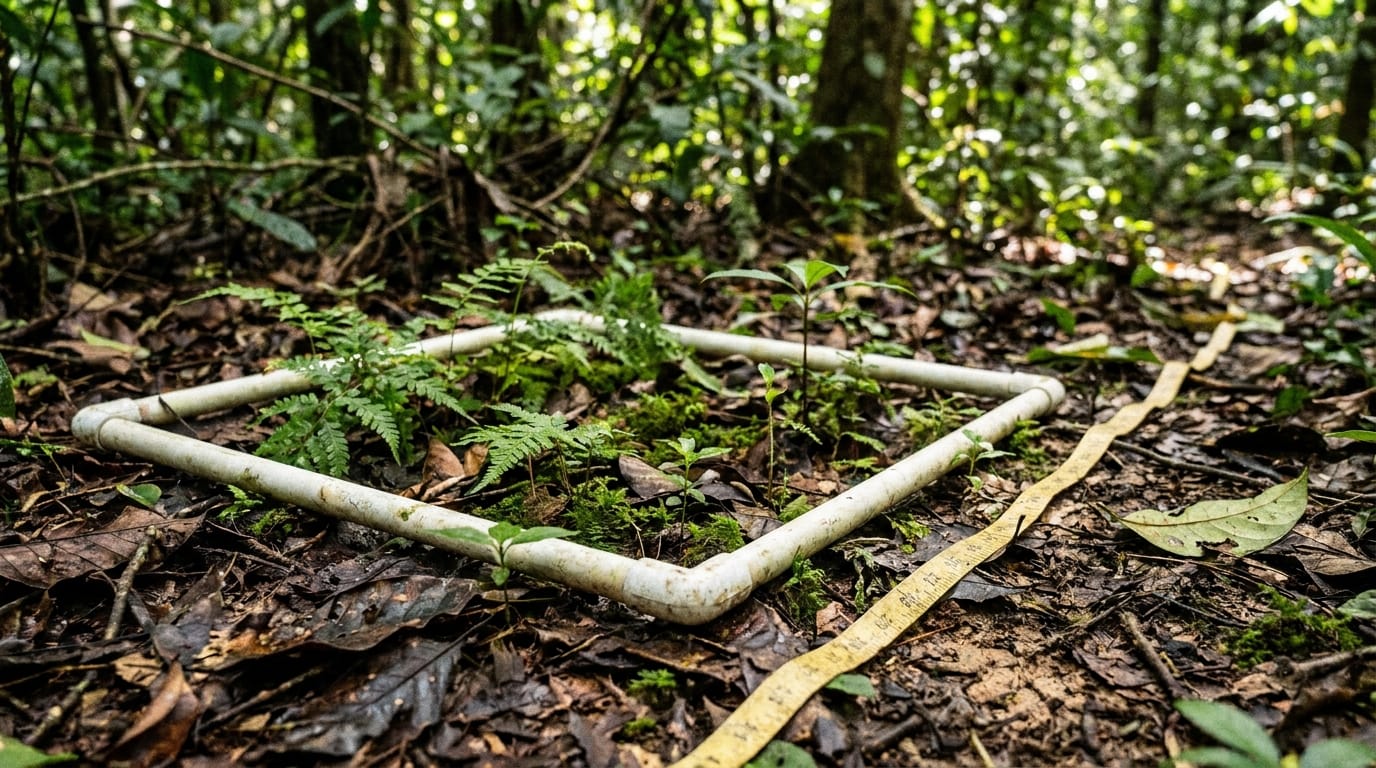
- Field surveys: multi-taxa surveys (flora, birds, herpetofauna, mammals, often with camera trapping) to establish what is actually present, not just what records suggest.
- Impact evaluation: a systematic assessment of habitat loss, fragmentation, edge effects and disturbance, during both construction and operation.
- Mitigation and reporting: recommendations following the mitigation hierarchy, compiled into a report suitable for planning submission.
The mitigation hierarchy, and why agencies check for it
Singapore's agencies expect impacts to be addressed in a specific order: avoid first (through siting and design), then minimise (through phasing, buffers and controls), and only then enhance or compensate (habitat creation, replanting, wildlife crossings). A BIA that jumps straight to compensation without demonstrating avoidance reads as a justification document, not an assessment, and invites rounds of agency comments.
This is the strongest argument for commissioning the BIA early: avoidance is only available while the design can still move.
How long does it take?
A typical BIA runs two to four months, driven mostly by field survey effort: adequate survey coverage may require dawn, dusk and nocturnal sessions across several weeks, and some taxa have seasonal windows. The desktop review and reporting phases are comparatively quick. Timelines compress significantly when recent survey data already exists, which is one benefit of engaging the same team for baseline surveys and assessment.
What happens after approval
BIA recommendations usually become conditions, often implemented through an EMMP during construction. Recommendations written by a team that also performs construction-phase monitoring tend to be practical and priceable; recommendations written in the abstract can be neither. When the same consultancy carries the project from survey to BIA to EMMP close-out, data stays consistent and nothing is assessed twice.
The takeaway
Commission the BIA while your design can still respond to it. ESC delivers biodiversity surveys, impact assessments and EMMP implementation as one continuous service for developments across Singapore.